PRIMARY LIMITERConvert the speed you already own.
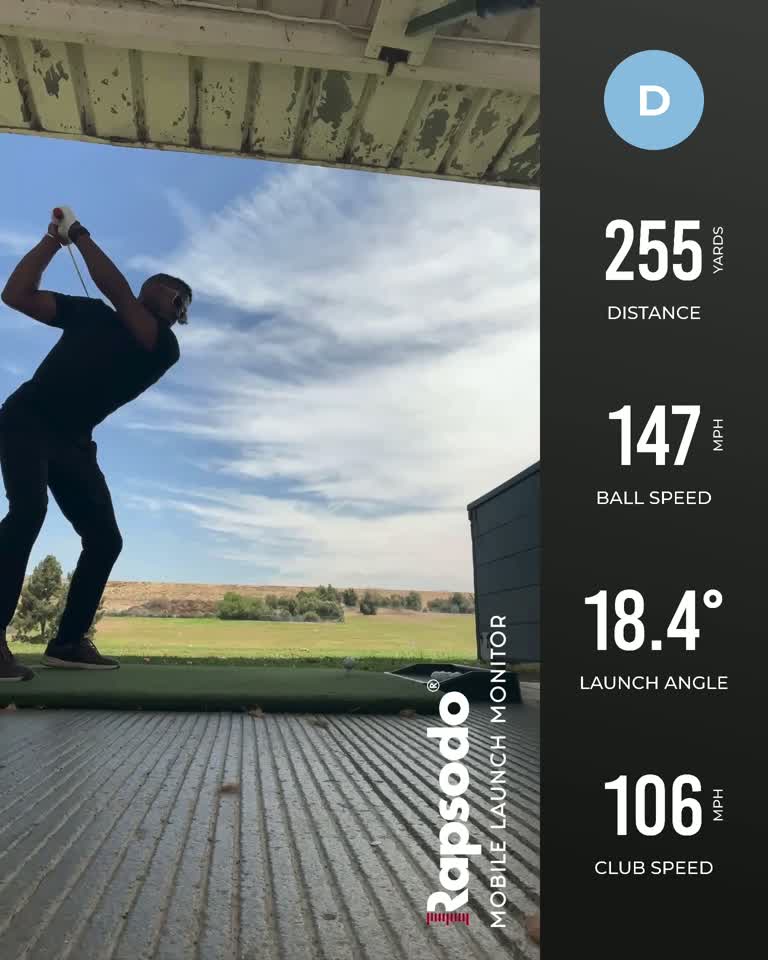
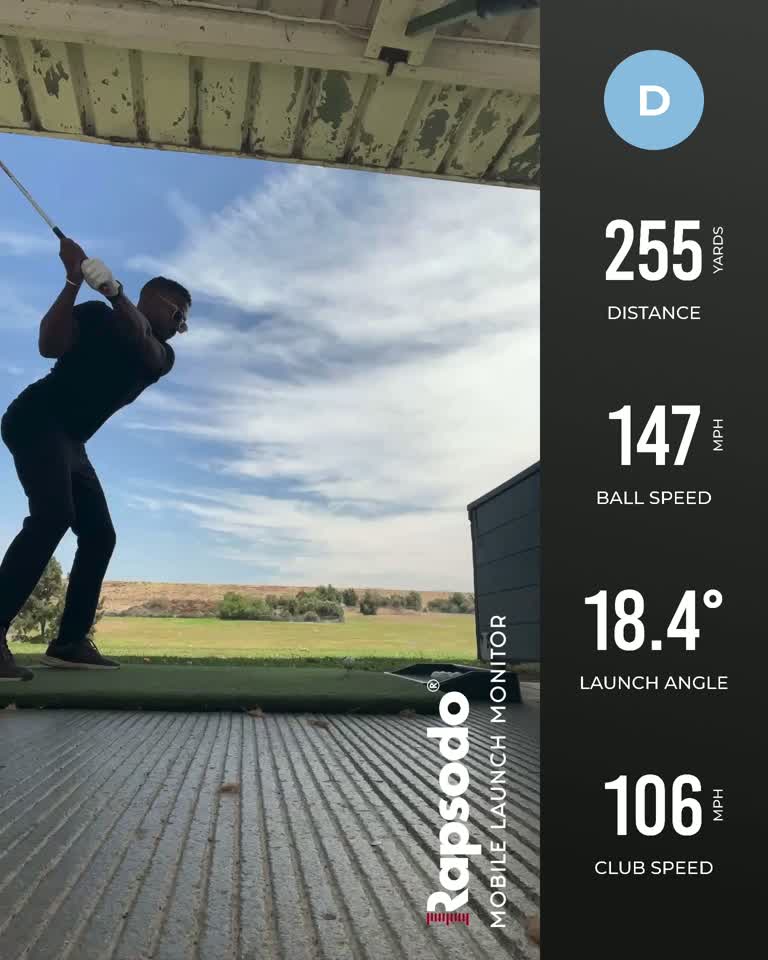
The swing already produces useful speed and an athletic finish. The fastest improvement path is to preserve that motion while making the transition easier to organize and proving centered contact with face spray.
- KEEP
- Athletic posture and sufficient arm space.
- CHANGE
- Calmer first move down; center strike at unchanged effort.
- DEFER
- Face/path and launch optimization until strike evidence is available.
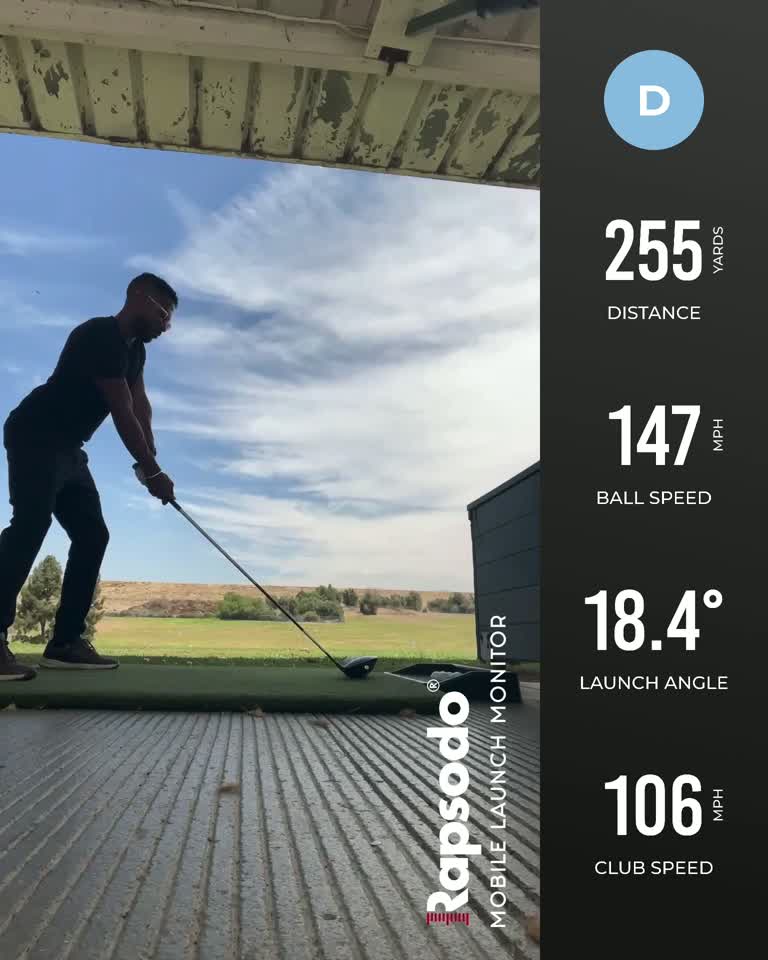
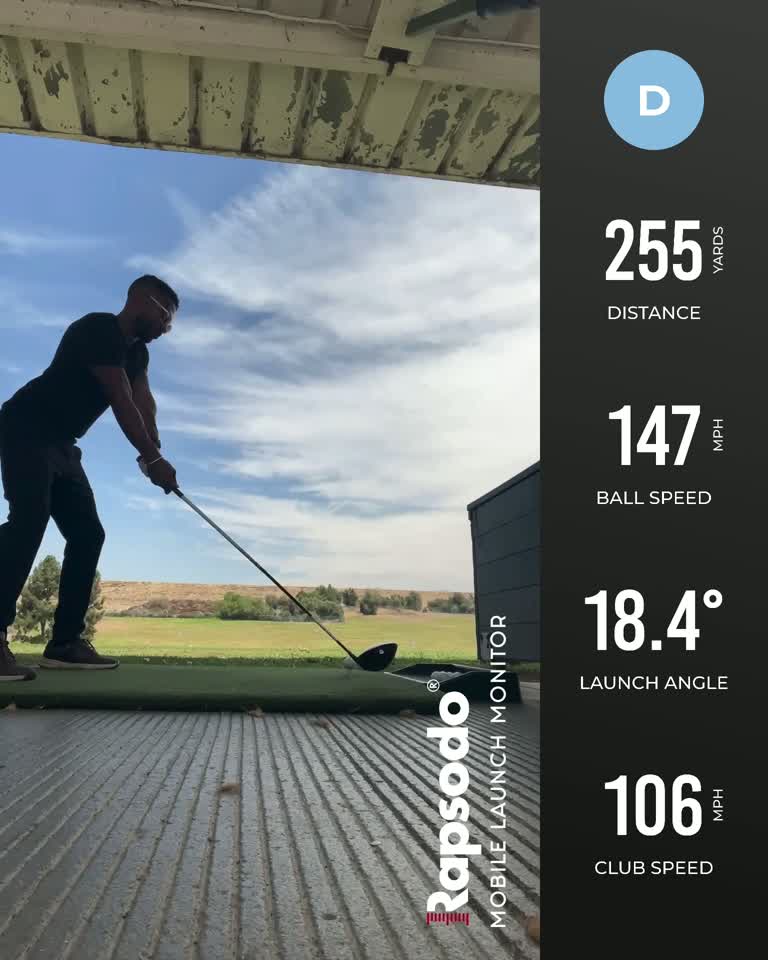
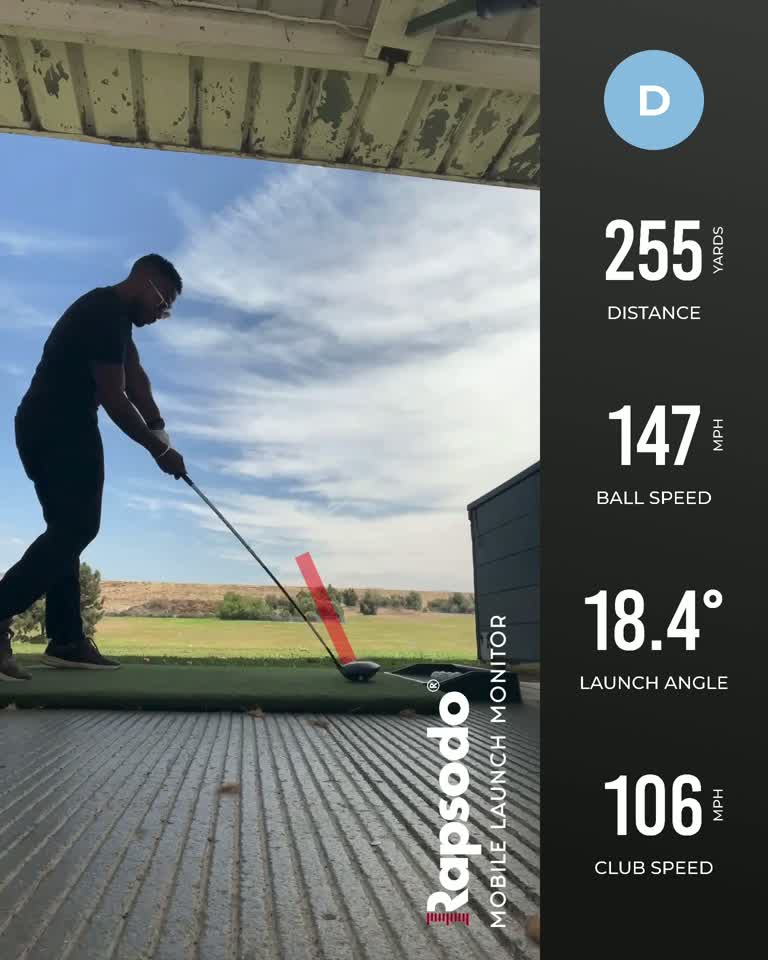
WHY THIS IS THE PRIORITYP1The address frame shows an athletic hinge and enough room for the arms to move.
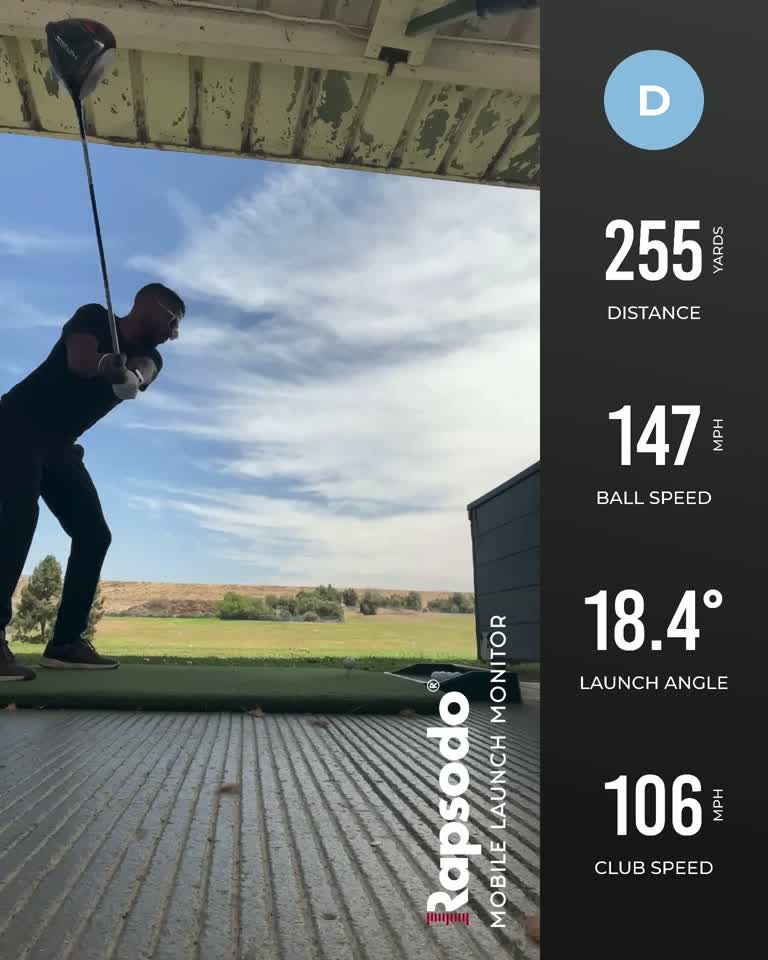
P4The backswing creates usable turn and speed without an obvious loss of balance.
P5The direction change begins quickly from the top in this low oblique view.
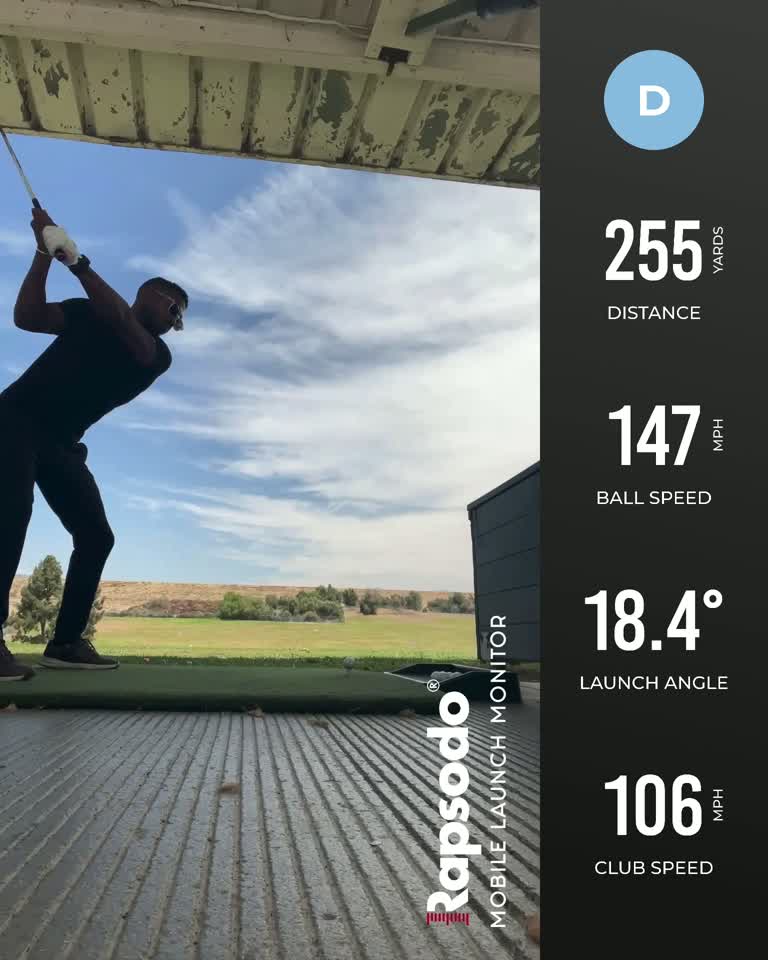
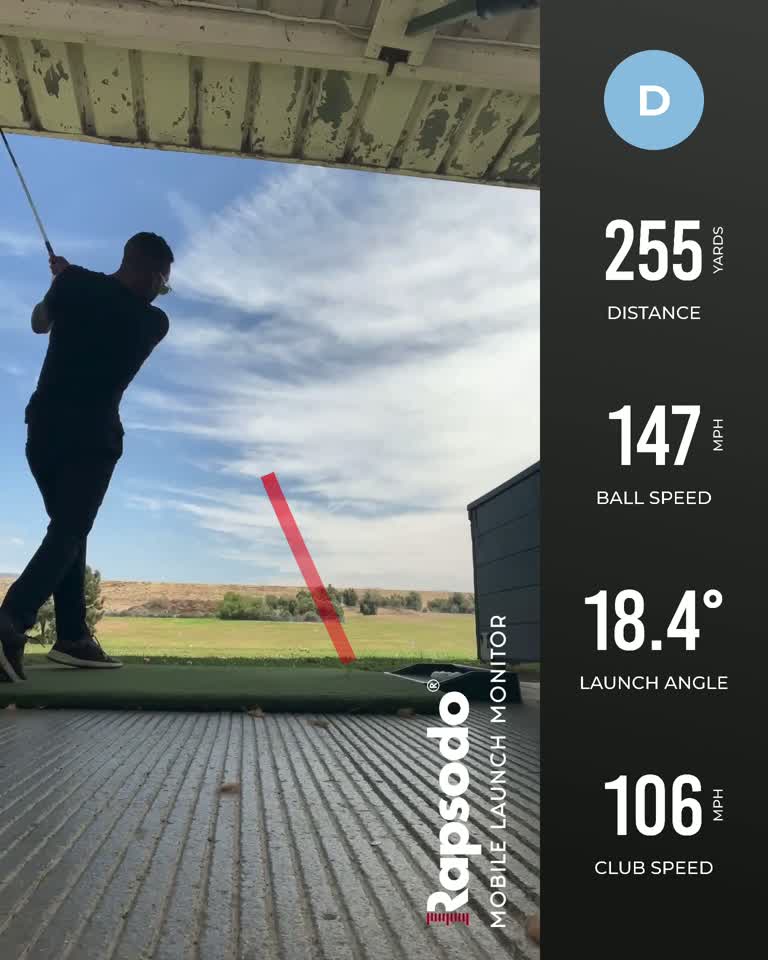
P6The delivery window is compact and the club is moving fast, leaving little time to organize contact.
CONFIDENCE78% · VIDEO EVIDENCEHigh confidence in the training test; moderate confidence in the exact mechanical cause.
PRESCRIPTION / NEXT RANGE SESSIONCenter-Strike Speed Ladder
Cue: “Soften the first move down, then accelerate through a centered strike.”
- Make three slow rehearsals: complete the turn, soften the first move down, then rotate through.
- Hit four drivers at 70% intent and record strike location.
- Hit four at 80%, then four at normal intent without changing the cue.
- Hold every finish and record club speed, ball speed, launch and displayed distance.
- DOSE
- 3 rehearsals + 12 scored drivers. Stop after the scored set.
- PASS LINE
- At least 8 of 12 strikes inside the center zone and a median ball/club-speed ratio above the baseline.
- STOP / RESET
- Regress to 70% if strike spreads, balance worsens, or the first move feels forced.