THE SWING. THE CUE. THE DRILL.

Your swing, decoded.

Driver example · 8 source frames · One priority
SAMPLE REPORT
YOUR ONE PRIORITY

Keep your speed. Test more room through delivery.

  • Work on · P5

    The hip line appears closer to the ball as the hands begin down.

  • Keep · P1

    Athletic base and usable hip hinge.

ONE DRILL TO TRY

Flow-through delivery

Use a clear practice area. Start with slow, no-ball swings; keep the body and arms moving together.
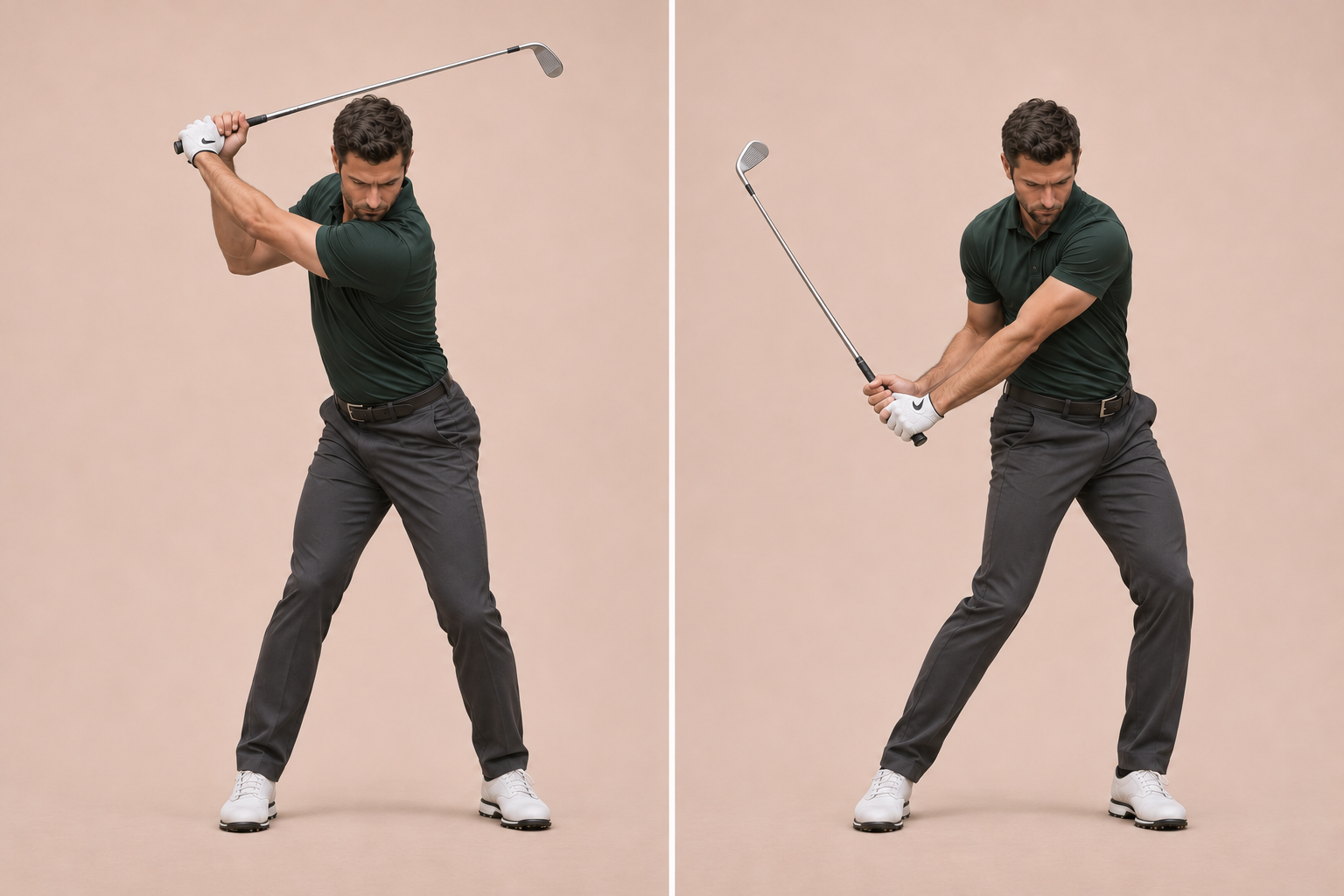
MODEL PATTERN · NOT YOUR VIDEOMOVEMENT REFERENCE
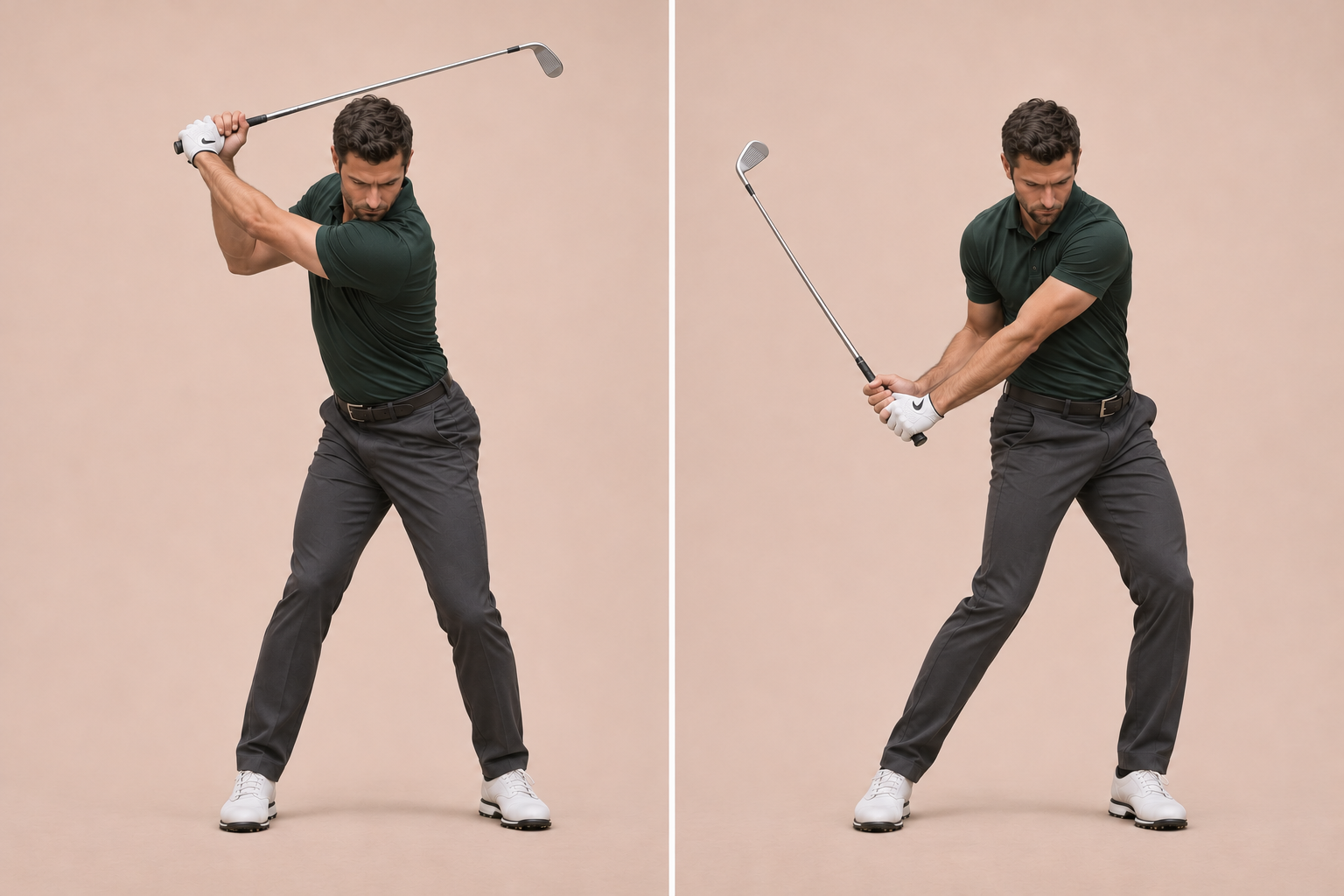
Model golfer, shown right-handed with an iron, in two positions: at the top of the backswing, and with the hands lowered to belt height as the hips begin to turn back toward the target
Shown right-handed. Reverse sides if you swing left-handed. Illustrative movement, not a required pose.
  1. Make a comfortable backswing at half speed.

  2. Let the hands lower as the hips turn, keeping room beside the trail hip.

  3. Continue smoothly to a balanced finish, then test with balls at the range.

YOUR PRACTICE SET6 slow rehearsals, 6 balls at 70% effort, then 6 at normal effort.
YOU HAVE IT WHENMore center-zone strikes than your baseline, with balance maintained.

Stop for pain or unsafe clearance. If strike or balance worsens for 2 balls, reduce speed and the cue; stop if it persists.

Only visible movement is assessed. Cropped or unclear body parts are not assessed.

How to measure progress
YOUR PRACTICE TESTBASELINE → REHEARSE → COMPARE
ONE DRILL

Flow-through delivery

Use a clear practice area. Start with slow, no-ball swings; keep the body and arms moving together.

  1. 1Make a comfortable backswing at half speed.
  2. 2Let the hands lower as the hips turn, keeping room beside the trail hip.
  3. 3Continue smoothly to a balanced finish, then test with balls at the range.

Look for Hands and body keep moving together through delivery. Carry this gentle rehearsal feel into a smooth swing.

01 · BEFORE THE DRILL

Set your baseline

With face spray, hit 6 normal drivers at one target. Count strikes in the central third of the face. Use that same zone after the drill.

02 · AFTER THE DRILL

Repeat the same test

Use the same club, target, conditions and number of attempts. Compare results, not just how the swing feels.

DOSE
6 slow rehearsals, 6 balls at 70% effort, then 6 at normal effort.
TEST TARGET
Aim for 4 of 6 strikes in that center zone, with no loss of balance. Compare with your baseline; matching it is not improvement.
RESET IF
Stop for pain or unsafe clearance. If strike or balance worsens for 2 balls, reduce speed and the cue; stop if it persists.

Better? Recheck next session. Same or worse? Reduce the cue or stop. One set is not proof of improvement.

ON THE COURSE

Use one rehearsal, choose the target, then swing without checking positions.

About this sample & its evidence

One camera view. A focused first step.

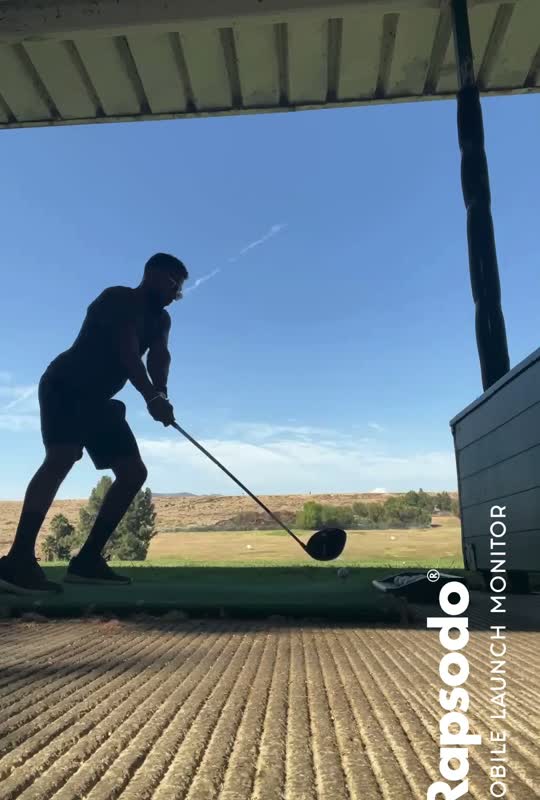
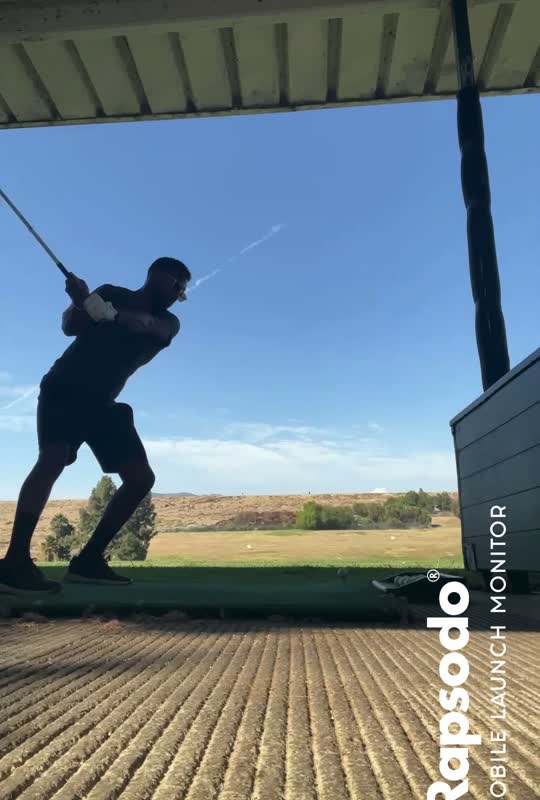
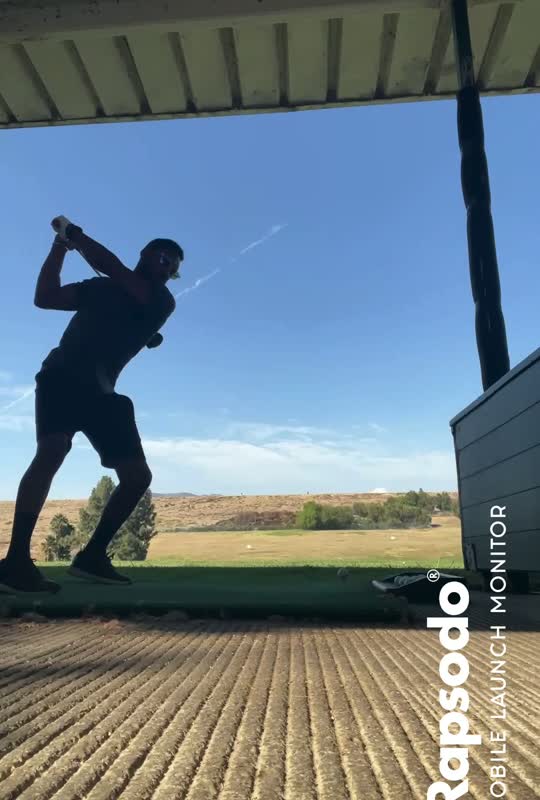
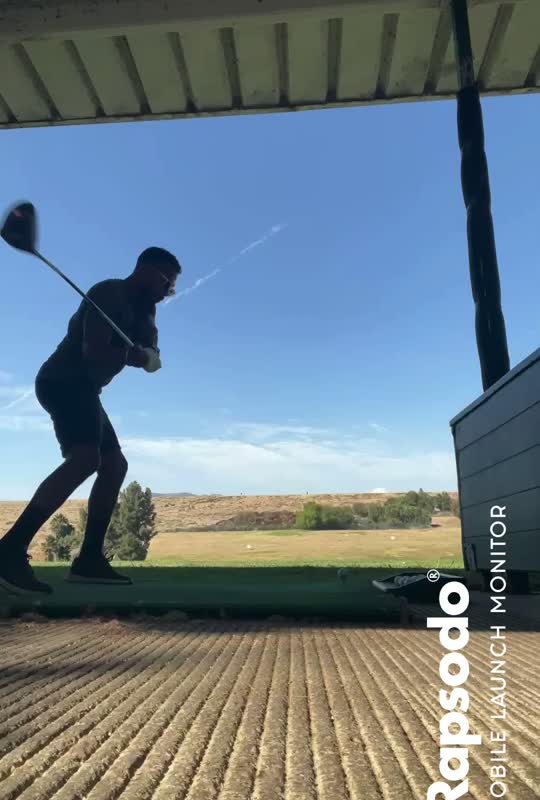
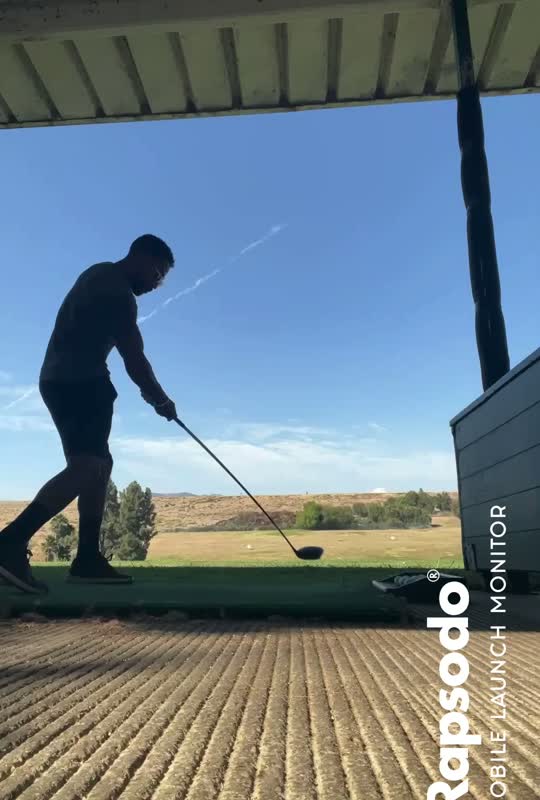
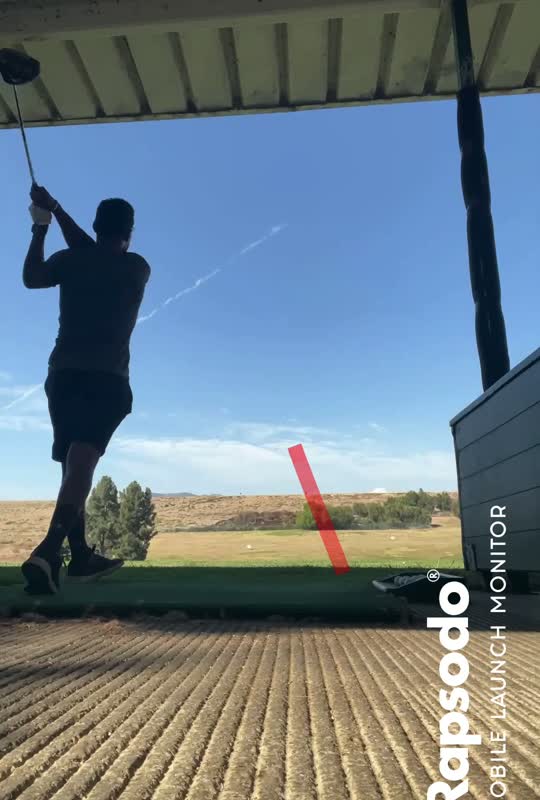
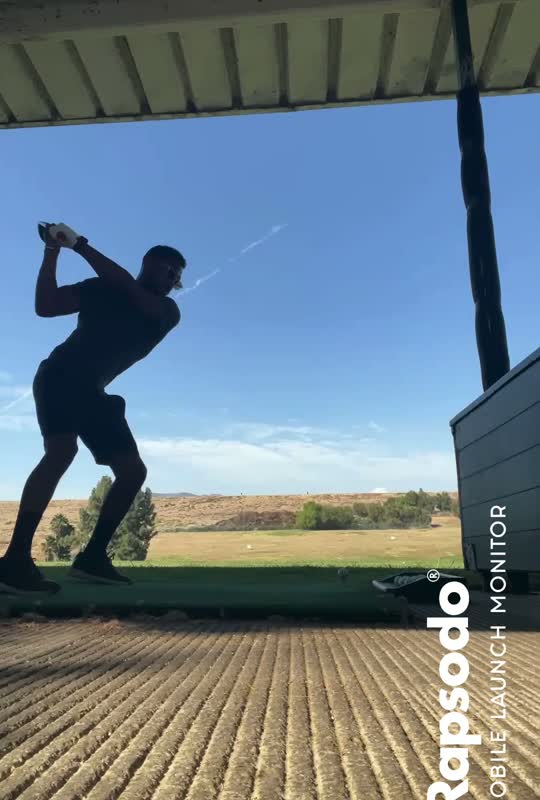
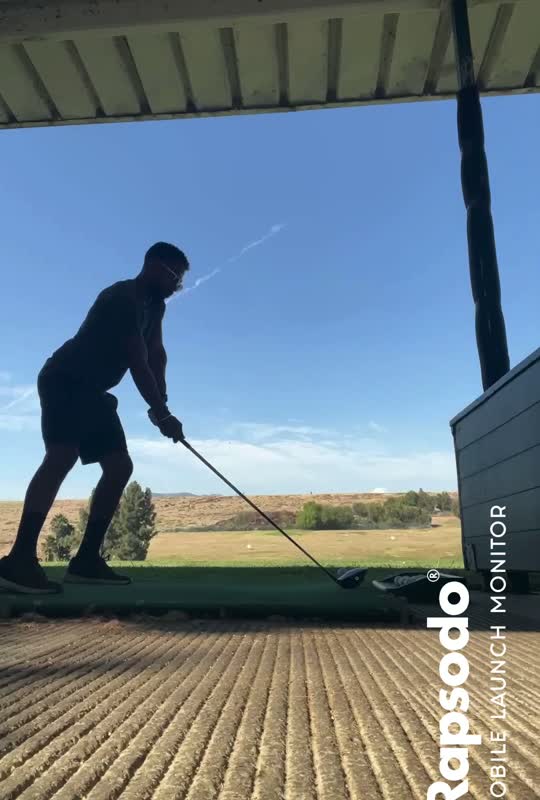
These are eight frames from an owner’s driver recording. The skeleton is an illustrative reference, not a precise joint measurement.

P5 through P7 show delivery room narrowing. Speed is already productive, so better space is the highest-value first change.

Recorded distance
257 yd
Ball / club speed
159 / 108 mph
Launch
13.9°

These are the visible Rapsodo readings from the original swing, not results of this drill. The video does not establish exact joint angles, strike location, club path, face angle, or spin.

Keep the current cue first. Defer aim, face delivery, and speed changes until you have tested it.

YOUR TURNOne swing. One move to work on.
Analyze my swing →My reportsMy bag
SWING SCHOLAREVERY SWING HAS A JOB / DRIVER / LOW OBLIQUE / RAPSODO
PERFORMANCE REPORT · V1SOURCE: Rapsodo_MLM_Randal_Ellison_25080424 2.MOV
PLAYER GOAL

Turn current driver speed into more repeatable distance.

ONE-MOVE DECISIONHands lower as hips turn.

VIDEO EVIDENCE / 8 TIMESTAMPED SOURCE FRAMES
P1 ADDRESS frame extracted from the uploaded swing
P1ADDRESS
EVIDENCE CITED
P2 TAKEAWAY frame extracted from the uploaded swing
P2TAKEAWAY
EVIDENCE CITED
P3 LOAD frame extracted from the uploaded swing
P3LOAD
EVIDENCE CITED
P4 TOP frame extracted from the uploaded swing
P4TOP
EVIDENCE CITED
P5 TRANSITION frame extracted from the uploaded swing
P5TRANSITION
EVIDENCE CITED
P6 DELIVERY frame extracted from the uploaded swing
P6DELIVERY
EVIDENCE CITED
P7 IMPACT frame extracted from the uploaded swing
P7IMPACT
EVIDENCE CITED
P8 EXIT frame extracted from the uploaded swing
P8EXIT
EVIDENCE CITED
PRIMARY LIMITER

Keep your speed. Test more room through delivery.

Speed and commitment are assets. The clearest mechanical opportunity is retaining delivery space from transition through impact.

KEEP
Athletic base and usable hip hinge.
CHANGE
Preserve posture one beat longer through delivery.
DEFER
Aim, face delivery, and speed changes until the current priority passes.
WHY THIS IS THE PRIORITY
P5

The hip line appears closer to the ball as the hands begin down.

P6

The torso rises and the hands have less room approaching impact.

P7

Strong speed reaches the strike, but space is tight through the body.

EVIDENCE LIMITSPractice hypothesis, not a guaranteeBroad sequencing is visible; precise joint angles are not claimed.
PRESCRIPTION / NEXT RANGE SESSION
Model golfer, shown right-handed with an iron, in two positions: at the top of the backswing, and with the hands lowered to belt height as the hips begin to turn back toward the target
MODEL PATTERNLet the hands fall as the hips begin to turn.

Flow-through delivery

Cue: “Hands lower as hips turn.”

  1. Make a comfortable backswing at half speed.
  2. Let the hands lower as the hips turn, keeping room beside the trail hip.
  3. Continue smoothly to a balanced finish, then test with balls at the range.
BASELINE
With face spray, hit 6 normal drivers at one target. Count strikes in the central third of the face. Use that same zone after the drill.
DOSE
6 slow rehearsals, 6 balls at 70% effort, then 6 at normal effort.
PASS LINE
More center-zone strikes than your baseline, with balance maintained.
STOP / RESET
Stop for pain or unsafe clearance. If strike or balance worsens for 2 balls, reduce speed and the cue; stop if it persists.